
What Is a Mortise Lock and Why Denver Homes Have So Many of Them
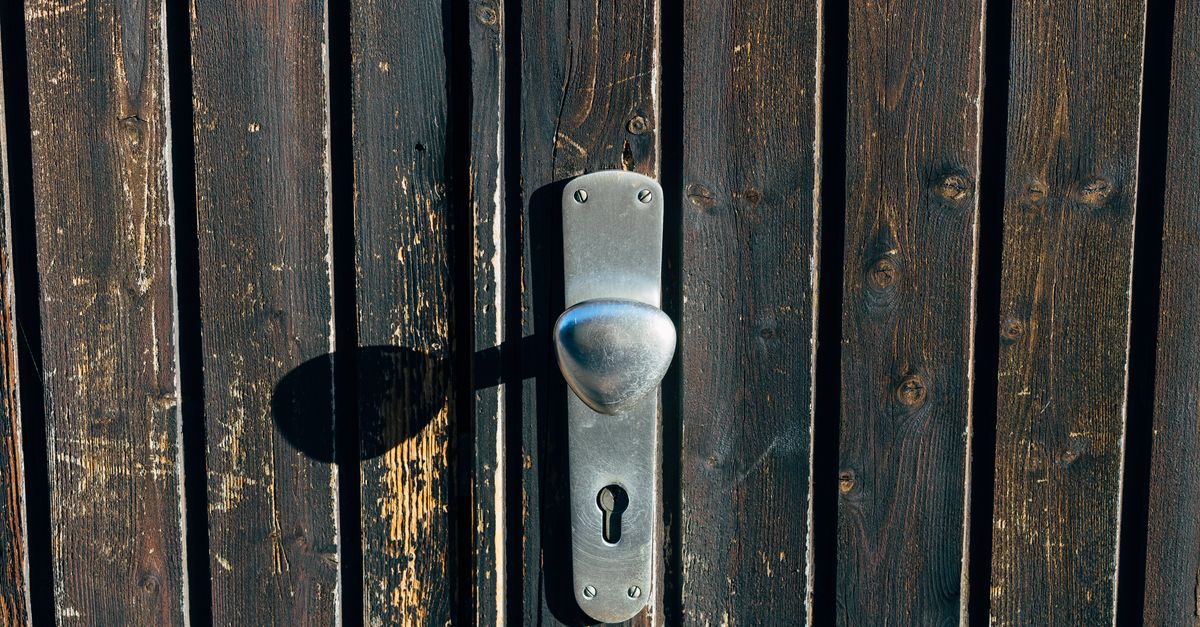
A mortise lock is a lock body that is set directly into a rectangular pocket — the mortise — cut into the edge of a door, rather than sitting on the surface of it. This recessed design allows the mechanism to house a deadbolt, a latch, a handle spindle, and sometimes auxiliary bolts all in one integrated unit. The result is a lock that is mechanically more complex and, when properly maintained, significantly more secure than a standard cylindrical knob lock. If you have ever wondered what is a mortise lock and why older homes use them, the short answer is engineering history: these were the industry standard through most of the late 19th and early 20th centuries, which is precisely when Denver's most architecturally significant housing stock was built.
Because the mortise lock body is embedded in the door itself, any failure — a cracked case, a worn cam, a broken follower, or a seized mortise lock cylinder — is not something you can swap out with a trip to a hardware store. The door has to be removed or held in place while a technician works the mechanism out of the pocket, diagnoses what failed, sources the correct part or replacement body, and reinstalls everything so that it aligns perfectly with the strike plate and door frame. In Denver's older housing stock, door frames often shift seasonally with humidity changes, which adds another layer of complexity that our experienced technicians are well-equipped to handle.