Why a Home Rekey After Moving In Is the Smartest First Step
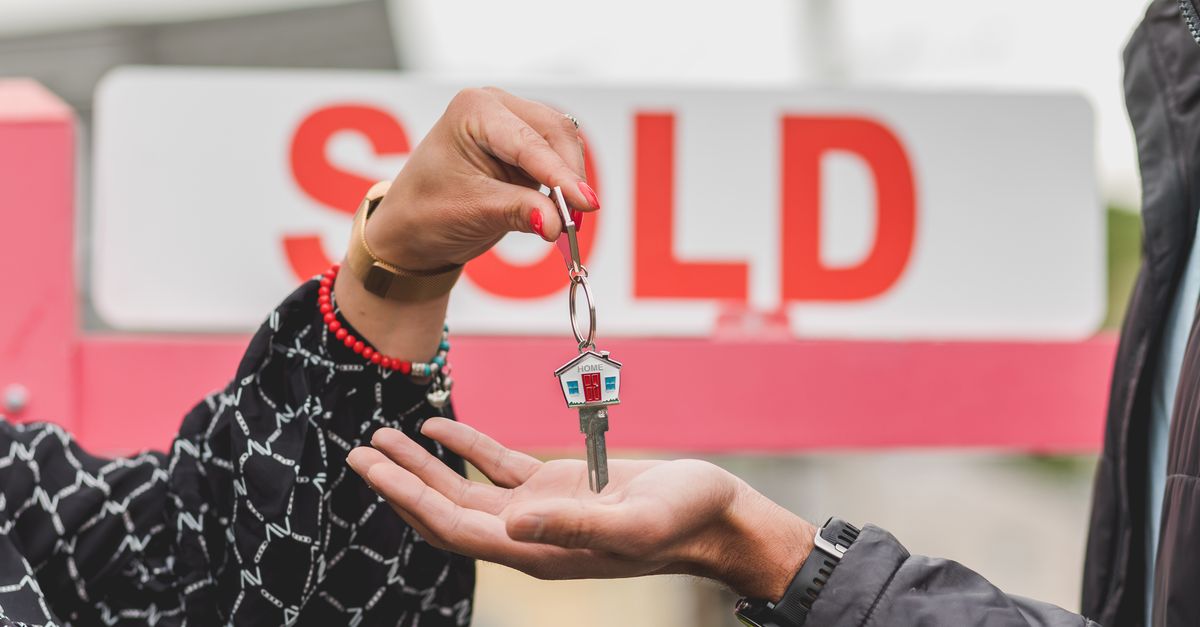
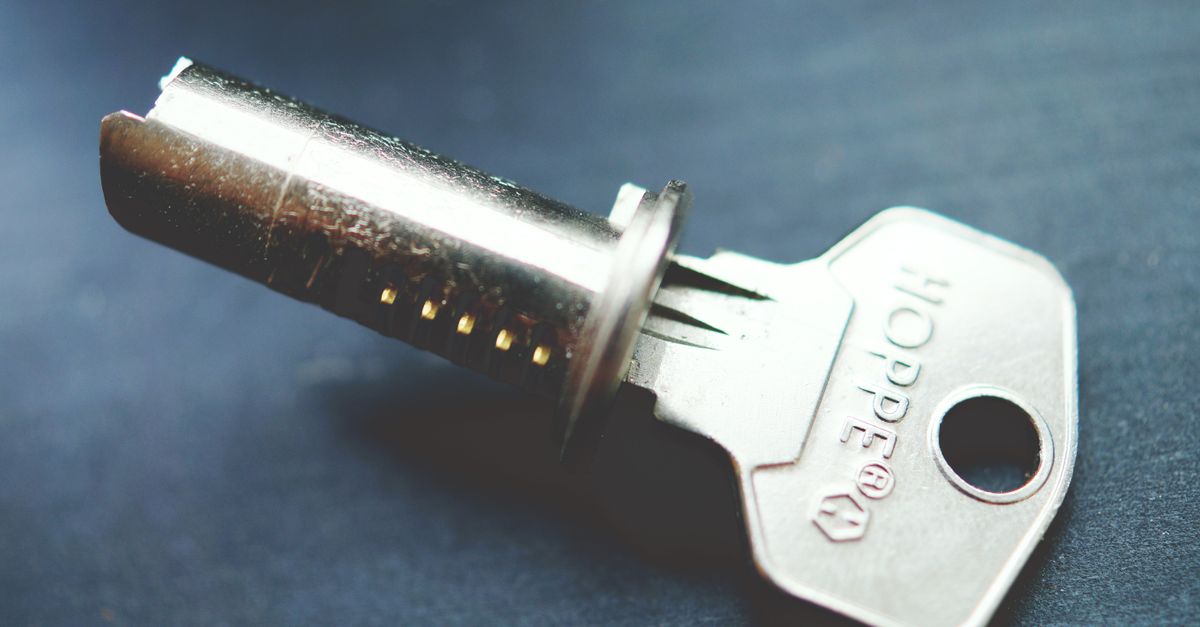
When a property changes hands, the key history rarely does. Real estate agents use lockboxes that cycle through dozens of showings. Landlords hand spare keys to maintenance crews, previous occupants, or property managers — and not all of those keys come back. Rekeying works by having a skilled technician disassemble the lock cylinder and replace the internal pins so that every old key becomes useless, while a fresh new key set is cut to your specification. No lock replacement is required in most cases, which means the process is damage-free and preserves the finish and hardware you already have. This is fundamentally different from simply changing the locks: rekeying is more efficient, faster, and resets the key history of the property without generating unnecessary waste.
Denver's rental market moves fast — turnover in neighborhoods like Capitol Hill, Sunnyside, and Baker can happen in days. That speed means property managers don't always have time to audit every key that was cut during a previous tenancy. If you're a renter, your landlord may be legally required to rekey the property before you move in under Colorado residential tenancy standards, but requirements and enforcement vary. Even if your landlord completes a basic rekey, having Denver Fast Locksmiths verify and rekey all exterior entry points to a single master key system gives you layered peace of mind that no prior-cut copy can defeat.