Why Keys Snap Inside Locks — and Why Mortise Lock Extraction Demands Extra Care
Keys break for a surprisingly predictable set of reasons. Metal fatigue is the most common culprit: a key that has been copied two or three generations from the original gradually loses the precise tolerances it needs, and the thin waist near the bow — the part you grip — becomes a stress fracture waiting to happen. Add a Colorado winter that contracts metal and stiffens lock mechanisms with thickened lubricant, and even a moderately worn key can snap under ordinary turning force. Forcing a key when a lock is misaligned, ice-frozen, or simply needs rekeying also dramatically increases the risk of breakage.
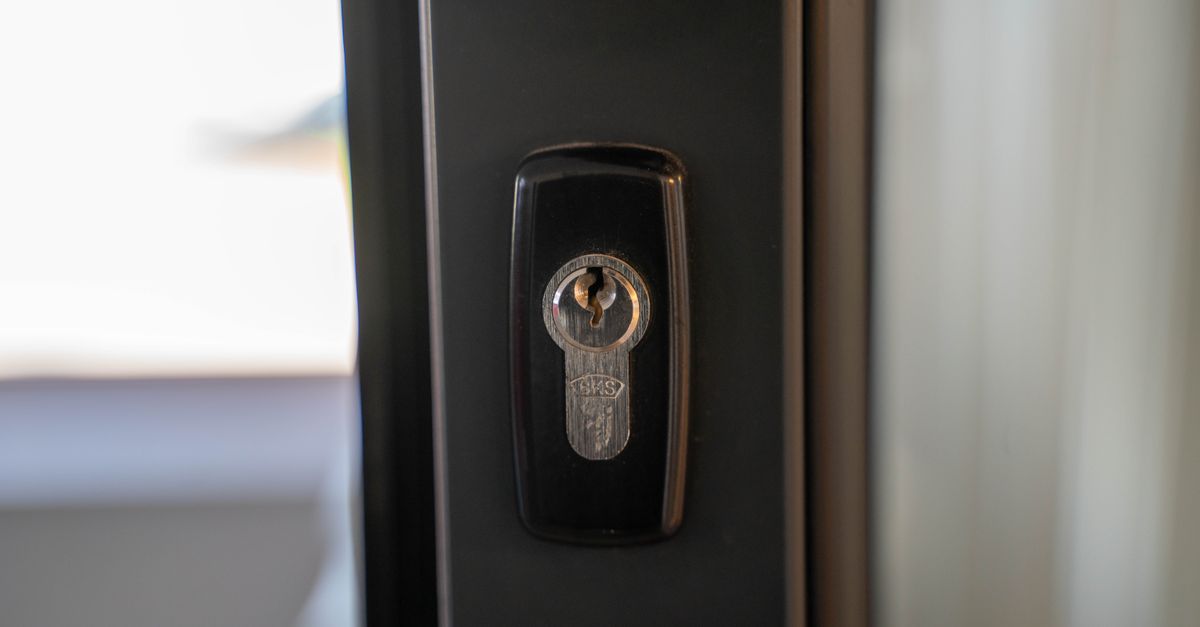
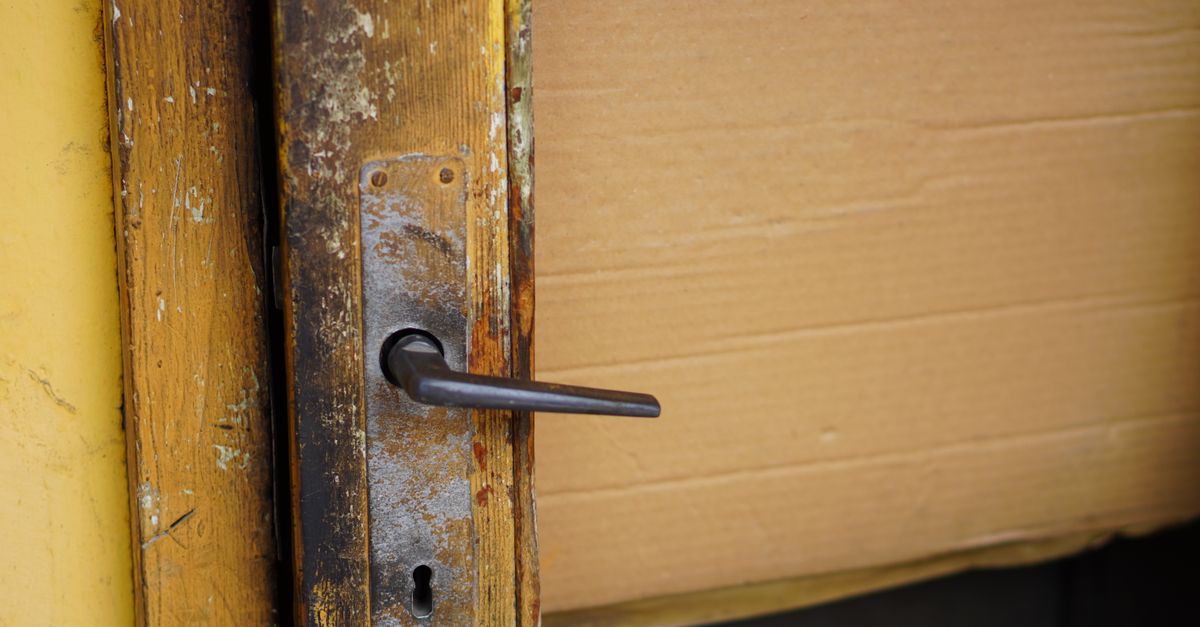
Mortise locks deserve particular attention here because of how they are engineered. Unlike a simple cylindrical door knob lock, a mortise lock is recessed into the door's edge and contains a more complex internal mechanism — a full lock body with multiple levers or pin stacks depending on the design. These locks are common in Denver's Victorian-era residential buildings, Capitol Hill brownstones, and older commercial corridors along Broadway and Santa Fe Drive. When a key snaps inside a mortise lock cylinder, the fragment can rotate partially and engage the mechanism in a way that makes extraction far more involved than pulling a piece from a standard deadbolt. Our technicians are specifically trained on mortise lock anatomy and carry the extraction picks, hook tools, and broken-key extractors sized for the narrower, longer keyways these locks use.