Signs Your Door Knob Lock or Mortise Lock Has Reached Its Limit
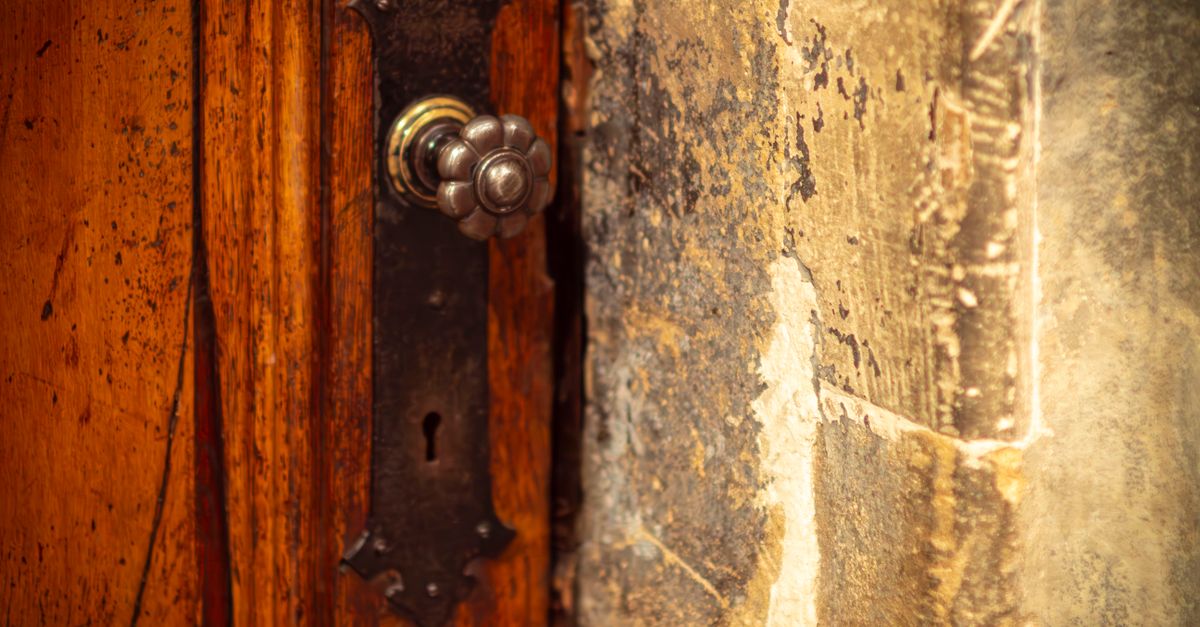
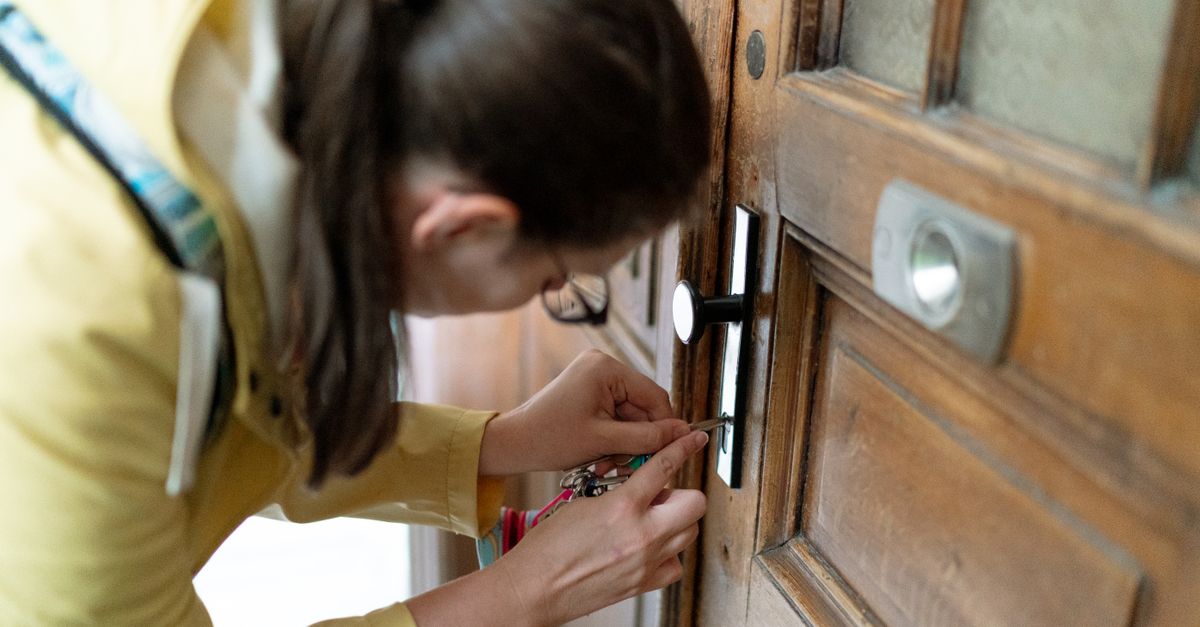
A door knob lock that requires extra force to turn, a latch that doesn't spring back fully, or a keyway that feels gritty and stiff are all early warnings that internal components are wearing out. On older Denver properties — bungalows in Berkeley, colonials in Congress Park, mid-century builds in Montbello — original hardware sometimes dates back decades and may predate modern security standards entirely. Mortise lock sets, common in pre-1970s construction, deserve particular attention: when the internal cassette begins to slip or the faceplate separates from the door edge, the entire lock body typically needs replacement rather than a simple adjustment. Our technicians inspect the door frame, the strike plate alignment, and the existing bore size before recommending any solution, so you never pay to fix the wrong problem.
Beyond mechanical failure, a door knob with lock can become a vulnerability even when it still turns. Single-cylinder knob locks alone — without a deadbolt above them — offer minimal resistance to forced entry because the latch bolt can be slipped with a credit card or similar tool. If your exterior door relies only on a knob lock, adding a quality deadbolt is one of the highest-impact upgrades you can make to your home's security posture. We carry Schlage, Kwikset, and comparable hardware on the truck, so most installations happen in a single visit.