Denver Fast Locksmiths Service Team
Local locksmith team
Jul 23, 2026 9 min read
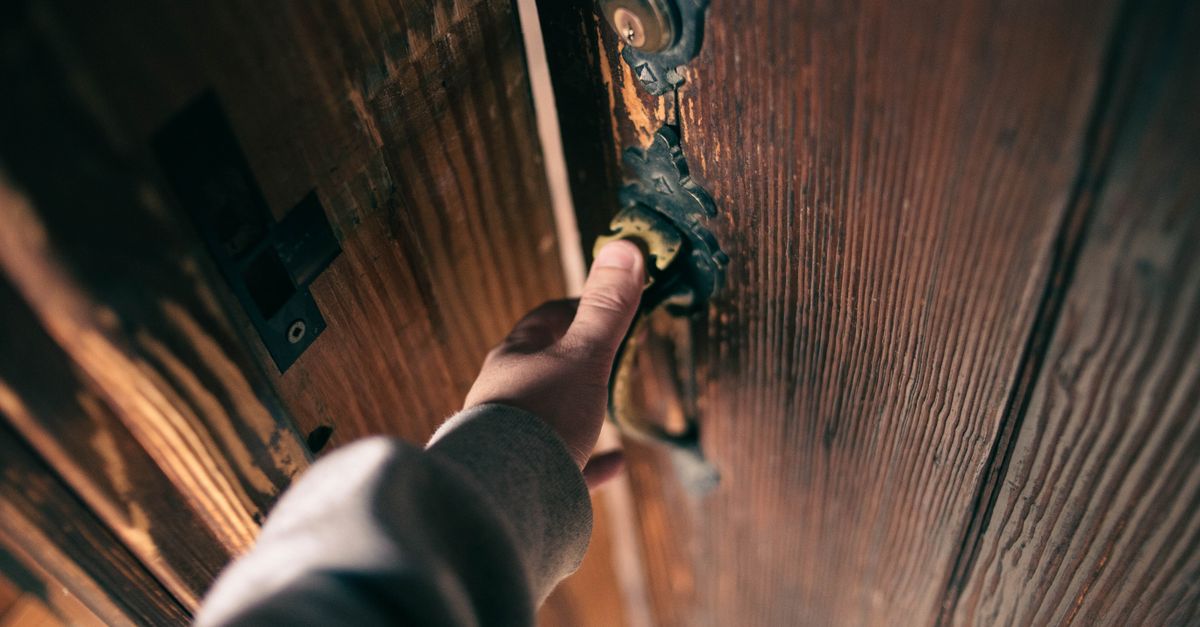
If your Denver home was built before 1960 — think the brick bungalows lining West 32nd Avenue in the Highlands, the Victorian two-stories tucked into Capitol Hill, or the Craftsman foursquares throughout Sunnyside — there is a good chance your front door is secured by a mortise lock rather than the cylindrical deadbolt most hardware stores stock today. These heavy, rectangular lock sets are embedded directly into the door's edge and have been the backbone of historic home security for over a century. They are built to last, but they are also misunderstood, and when something goes wrong with one, a lot of homeowners are not sure where to turn.
This guide is written to help Denver homeowners identify what type of lock they actually have, understand the differences between mortise and cylinder lock systems, know when a repair is possible versus when an upgrade makes sense, and recognize the warning signs that mean it is time to call a professional locksmith. Whether you are moving into a historic property for the first time or dealing with a lock that has been sticking for years, the information below will give you a clear, practical picture of what you are working with.
## What Is a Mortise Lock — and Why Do So Many Denver Homes Have One?
A mortise lock is a complete locking mechanism that sits inside a precisely cut pocket — called a mortise — carved into the body of the door itself. Unlike a standard cylindrical deadbolt or door knob lock, which is bored through the door face with a simple hole saw, a mortise lock set requires a deep rectangular cavity. The mechanism inside houses the latch bolt, the deadbolt, the strike components, and sometimes a privacy or passage function all in a single integrated case. That complexity is exactly why they were the standard of choice for high-quality residential and commercial construction well into the mid-twentieth century.
In Denver specifically, the post-Victorian and early-twentieth-century building booms that gave neighborhoods like Potter-Highlands, Curtis Park, and Country Club their architectural character also left behind thousands of doors fitted with mortise hardware. Brands like Corbin Russwin mortise lock sets and Baldwin mortise lock sets — both still respected names in the industry — were commonly specified by architects of that era. If you pull back the trim plate on your front door and see a rectangular brass or iron case sitting flush inside the door's edge, you have found a mortise lock.
## Mortise Lock vs. Cylinder Lock: Spotting the Difference on Your Door
The easiest way to tell the two systems apart is to look at the door edge. A mortise lock set will have a rectangular face plate — typically two to four inches tall — sitting flush with the door's edge, with both a spring latch and a deadbolt projecting from the same housing. A rim cylinder lock, by contrast, mounts a separate barrel (the cylinder) through the door face, with a rim-mounted case on the inside surface. Standard cylindrical locks — the kind sold at every big-box hardware store — use a single round hole bored through the door face and are far simpler to replace off the shelf.
The practical differences go beyond looks. Mortise lock cylinders can usually be swapped out independently of the lock body, which is useful for rekeying or security upgrades. Cylindrical locks tend to be easier to install but are generally considered less robust than a well-maintained mortise system. For doors on older Denver homes that may have settled or shifted over decades, the adjustability of mortise hardware is often what keeps the door functioning properly when a hollow-core cylindrical setup would have given up entirely.
## Common Problems With Older Mortise Lock Sets — and When to Call a Locksmith
Mortise hardware is durable, but age and Denver's freeze-thaw cycles take a toll. The most frequent issues our team encounters on historic properties are: a stiff or frozen thumb turn that no longer throws the deadbolt cleanly; a latch bolt that no longer spring-loads correctly, leaving the door resting unlatched; a worn mortise lock cylinder that has developed so much play that the key no longer turns reliably; and internal springs or cams that have cracked after decades of use. In many cases, a skilled locksmith can disassemble the lock case, replace the worn components, and restore the mechanism without touching the door itself — preserving the original hardware that adds character and value to historic homes.
There are situations, however, where repair is no longer the right answer. If the lock body itself is cracked, if the door has swollen or settled so severely that the mortise cavity is no longer square, or if a security assessment reveals that the existing cylinder offers inadequate protection, an upgrade is the more responsible path. Our experienced locksmiths can source period-appropriate replacement mortise lock sets for exterior doors — including Baldwin mortise lock options that maintain the aesthetic of historic hardware while meeting modern security standards — or, where the homeowner prefers, retrofit the door for a high-security cylindrical system. If you are unsure which direction makes sense for your door, call us at (303) 351-0390 — we answer 24/7 and can walk you through the options before any work begins.
## Rekeying, Cylinder Swaps, and Security Upgrades for Historic Denver Doors
One of the most practical services a locksmith provides for mortise-equipped homes is a cylinder rekey or replacement. Because the mortise lock cylinder is a discrete component — the round plug that your key actually turns — it can often be pulled and rekeyed to match a new key without replacing the entire lock body. This is exactly the service you need when you move into a historic Denver property and have no idea how many copies of the existing key are floating around. We do rekeys on mortise hardware regularly, and it is one of the fastest ways to take control of your home's security from day one.
For homeowners who want a step up in protection, high-security cylinder upgrades are a direct drop-in for many standard mortise lock sets. Cylinders with anti-pick, anti-drill, and restricted-keyway features can be installed in the same mortise housing your door already has, so the exterior appearance of the door stays intact. If your home has a rim cylinder lock on a secondary door or a gate, that cylinder can similarly be upgraded or rekeyed as part of the same service call. Our team is also experienced in commercial locksmith work, so if you operate a business out of a historic Denver building — common in neighborhoods like RiNo and Five Points — we bring the same mortise expertise to commercial doors that often share the same vintage hardware as the residential stock nearby.
## What to Expect When You Call Denver Fast Locksmiths for a Mortise Lock Service
When you contact our team, whether for a lockout, a repair, or a planned upgrade, the process is straightforward. We confirm your location and the nature of the problem, then give you an exact up-front price before any work begins. That price accounts for factors like the specific lock type and its condition, the time of day, travel distance to your address, and any parts that need to be sourced — so there are no surprises on the invoice. Our mobile locksmiths carry a broad inventory of mortise components, cylinders, and replacement hardware, which means most jobs are completed in a single visit rather than requiring a return trip once parts arrive.
We are available every hour of every day, including weekends and holidays, because lock problems do not follow a business schedule. If you are locked out of your home at midnight — a situation our team handles regularly across Denver — we will verify ownership on-site and get you back inside using legitimate, professional methods. We take a practical approach: checking whether any other entry points are accessible before moving to the lock itself, and always treating your vintage door and its hardware with the care it deserves. Whether you need a quick cylinder swap, a full mortise lock set replacement on an exterior door, or just a second opinion on whether your existing lock is worth saving, we will be happy to help. Call (303) 351-0390 any time — our team is standing by 24/7 across the Denver area.
Frequently asked questions
How much does a locksmith cost in Denver for mortise lock work?+
The final price depends on several factors: the complexity of the lock mechanism, whether the job requires replacement parts (such as a new mortise lock cylinder or an entirely new lock set), the time of day, and the travel distance to your location. An after-hours call will reflect that additional availability. What we commit to in every case is giving you a confirmed, exact price before we begin any work — so you know exactly what you are agreeing to before we touch the door.
How much does an emergency locksmith cost near me for a late-night lockout?+
Emergency locksmith pricing in Denver varies based on the lock type involved, the time of the call, and your specific location. Mortise lock hardware — common in historic Denver homes — can require more time to address than a standard cylindrical deadbolt, and that is one of the variables that influences the quote. We provide a clear up-front price as soon as we assess the situation, so you are never guessing at the final figure. Call (303) 351-0390 and we can give you a realistic estimate right over the phone based on your specific circumstances.
Who is the best locksmith in Denver for historic home hardware?+
The right question to ask any locksmith is whether they have hands-on experience with mortise lock sets specifically — not just modern cylindrical hardware. Older Denver homes in neighborhoods like Capitol Hill, the Highlands, and Curtis Park often have vintage Corbin Russwin or Baldwin mortise lock hardware that requires a different skill set than a standard residential job. Our team works on this type of hardware regularly and carries the components to handle most repairs and upgrades in a single visit. We are insured, experienced, and focused exclusively on serving the Denver area.
What is a locksmith call out fee, and do you charge one?+
A call out fee — sometimes called a service or dispatch fee — is a base charge some locksmiths apply just for sending a technician to your location, separate from the actual work performed. Our approach is to give you one all-in, confirmed price before work starts that accounts for travel, labor, and parts together. That way you are comparing a complete number, not a base fee that grows once the technician arrives. The factors that shape your total quote include your location in the Denver area, the time of day, and the specific lock hardware that needs attention.